Iconic races · Dates subject to confirmation
Melbourne Cup: the staying race that became an Australian tradition
Flemington, 3200 metres and a field asked to settle, conserve and stay. Discover what makes the Melbourne Cup a racing occasion unlike any other.
QLD Racing Calendar editors · 4 min readPublished · Updated
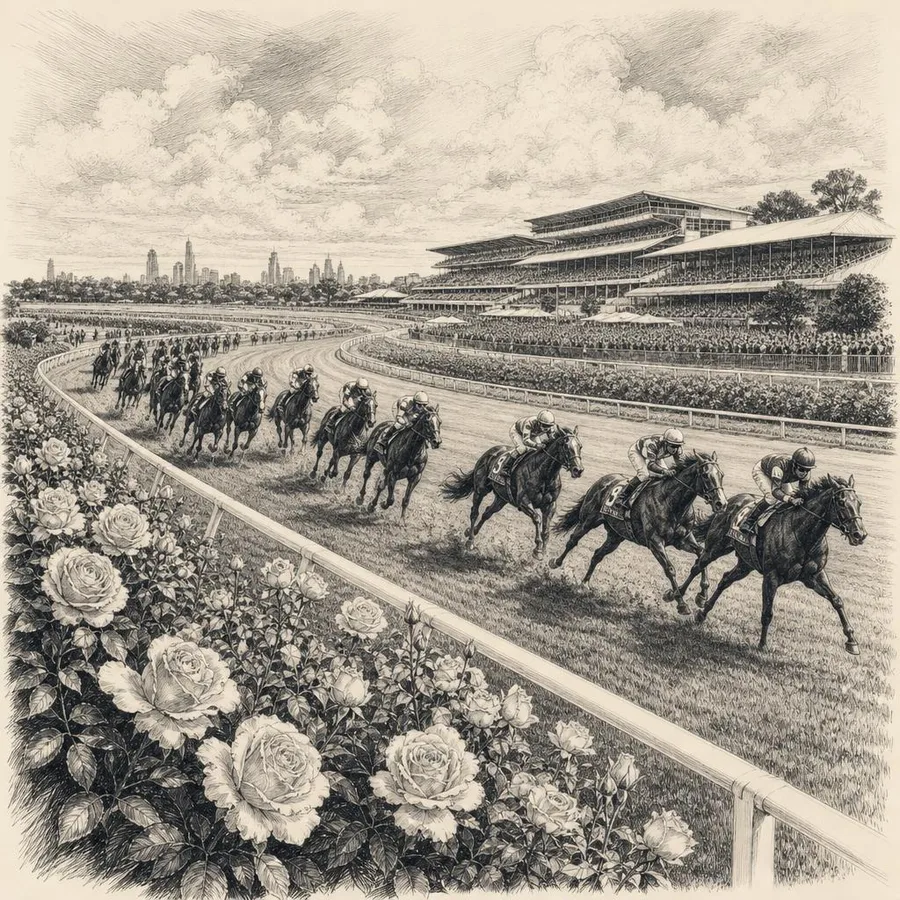
The Cup at a glance
The Melbourne Cup is a Group 1 handicap over 3200 metres at Flemington in Victoria. Traditionally held on the first Tuesday in November, it is the centrepiece of a spring carnival that brings together racing, fashion and family rituals. Our selection of three iconic Australian races starts here because the Cup reaches far beyond regular racegoers. This is a guide to its character, not a live race card or a prediction of a future winner.
Why the distance changes everything
A two-mile race asks a different question from a sprint. Horses must travel economically, settle in the field and still have something left when their jockey asks them to extend. Watch the first part of the race for rhythm rather than simply position: an unsettled horse can use energy it needs much later. The long journey also gives the race time to develop, with changes of pace and position that are easy to miss if you watch only the finishing straight.
What a handicap actually means
The Cup does not give every runner the same weight to carry. Its handicap conditions assign different weights in an attempt to balance the field according to ability and eligibility rules. That is part of its appeal: accomplished older stayers can meet less exposed challengers under different burdens. A lighter weight is not a guarantee of success, and an impressive reputation does not remove the need for stamina. Fitness, traffic, the surface and decisions made in running all still matter.
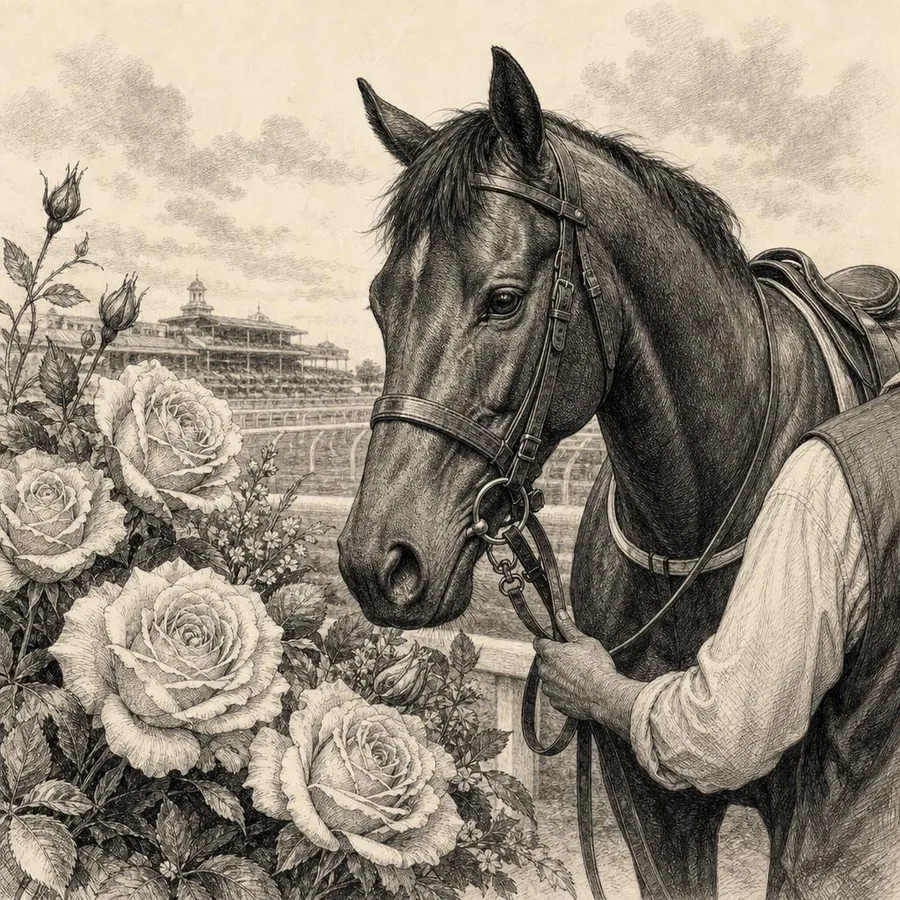
The stories behind the occasion
First run in 1861, the Melbourne Cup has built an unusually deep public memory. Archer won the first two editions, while Makybe Diva’s three consecutive wins from 2003 to 2005 remain a defining modern achievement. Those stories are worth knowing without turning every new runner into a comparison with a champion. Much of the occasion also belongs to the people who rarely make a headline: stablehands, track staff, farriers and the strappers guiding horses through a crowded mounting yard.
How to enjoy watching at Flemington
If you attend, leave time to watch the horses before the race rather than rushing straight to the grandstand. Look for how each horse walks, how it responds to its handler and how the jockey settles into the saddle. Allow for busy transport and Melbourne’s changeable spring weather, and check the current event arrangements before travelling. The roses and the noise are part of the setting, but the most rewarding moments can be the small exchanges between a horse and the person looking after it.
Keep the guide separate from the live calendar
The race’s history is stable; an individual year’s program is not. Final fields, start times, track conditions and rider changes belong to the current race-day information, not an evergreen article. Use our racing calendar for published daily meetings and treat this post as background reading. The matching RacingReady article below offers another guide to the Cup. As with any outside article, check its publication context and confirm time-sensitive details before making plans.
Official sources
- Victoria Racing Club — Melbourne Cup history and race information